For years, I treated my laundry room like an afterthought. It was narrow, poorly lit, and just functional enough that I kept putting off improvements. The dryer took forever to finish a load, cleaning supplies were always in the way, and folding clothes usually meant carrying baskets into another room.
That changed after a washer hose split while I was out one evening. By the time I got home, water had seeped under the baseboards and soaked part of the floor. What started as a stressful cleanup turned into a full rethink of the space.
What surprised me most was how much a few practical changes improved everyday life. A better laundry room does more than look nicer. It saves time, reduces hassle, and can make your home more appealing to future buyers.
This guide focuses on laundry room upgrades that actually make a difference. I’ll cover what is worth spending on, what tends to be unnecessary, and how to make the space work better without overspending.
Table of Contents
Key Takeaways
- Functional upgrades like storage, ventilation, and flooring usually add more value than cosmetic changes.
- Appliance performance should be checked before deciding to replace anything.
- A simple folding surface can dramatically improve daily use.
- Durable, moisture-friendly materials help prevent future problems.
- Good lighting and airflow are affordable upgrades with long-term benefits.
- Smart repairs often deliver better value than rushing into a remodel.
Start With What Needs Attention First
My first instinct after dealing with the flood was to replace everything, including the dryer that had been acting up for months. I was convinced it was on its last leg. Instead, I called a technician for dryer repair in Atlanta, and learned the vent was badly clogged. After a proper cleaning, drying times improved immediately, and the machine lasted another three years.
That experience changed how I think about upgrades. Before buying anything new, start with a simple audit:
- Check washer hoses for wear or leaks
- Inspect dryer venting and airflow
- Make sure machines are level
- Look for signs of moisture buildup or mold
- Test lighting and outlet placement
Many laundry room frustrations stem from maintenance issues rather than major failures. Diagnosing first helps you spend money where it matters most.
Laundry Room Storage Upgrades That Make Everyday Use Easier
Storage is one of the biggest pain points in most laundry rooms. The goal is not to fill every wall with cabinets. It is to make the space easier to use.
In my first renovation, I made the mistake of installing shelves that were too shallow. Detergent bottles kept tipping over behind the washer, and it became more annoying than helpful. When I replaced them with deeper adjustable brackets, the room instantly worked better.
The most useful storage upgrades are often simple:
Storage Upgrades That Deliver the Most Value
- Wall-mounted adjustable shelving
- Closed cabinets for detergents and cleaning supplies
- Rolling sorting bins or hampers
- Slim pull-out storage for tight gaps
- Hooks or rails for drying racks and laundry bags
Storage Features to Skip
- Full custom cabinetry in a small room
- Decorative open shelving that collects dust
- Built-in hampers that do not fit your routine
A laundry room should support your habits, not force you into a system that looks good but feels inconvenient.
Counter Space and Folding Surfaces
This is the upgrade most homeowners appreciate immediately. Having a dedicated place to sort and fold clothes keeps laundry from spreading into bedrooms, sofas, or dining tables.
A countertop over front-load machines is one of the best value upgrades you can make. If you have top-load machines, a wall-mounted folding table works well and costs far less than a full remodel.
I added a fold-down surface in my current home for under $150, and it is easily the feature I use most.
For materials, keep it practical:
- Laminate is affordable and easy to maintain
- Sealed wood can work if you like warmth
- Quartz is durable, but often unnecessary in a utility room
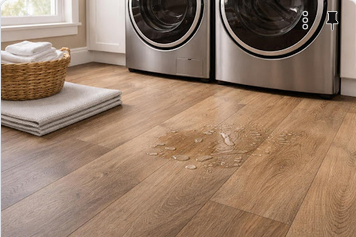
Best Laundry Room Flooring: Practical Options That Last
Laundry rooms handle spills, splatters, humidity, and heavy foot traffic. Flooring needs to handle all of it without becoming slippery or difficult to maintain.
Luxury vinyl plank remains one of the best all-around options because it is:
- Waterproof
- Comfortable underfoot
- Easier to install than tile
- More forgiving on dropped items
Other smart options include:
- Slip-resistant tile
- Sealed concrete in slab homes
- Waterproof sheet vinyl for budget projects
Avoid carpet or standard laminate unless it is specifically rated for wet areas. After dealing with water damage once, I would never choose a moisture-sensitive floor again.
Lighting and Ventilation Matter More Than Most People Think
Lighting and airflow are two upgrades people often overlook because they are not as visible as cabinets or flooring. In practice, they make the room far more pleasant to use.
Bright LED lighting makes it easier to spot stains, sort colors, and clean the space properly, while also lowering energy use over time, much like other eco-friendly home improvements that save money. If your laundry room feels dim, replacing one overhead fixture can make a noticeable difference.
Ventilation matters just as much. Poor airflow can lead to:
- Musty odors
- Mildew around seals and walls
- Longer drying times
- Added strain on appliances
At minimum:
- Make sure your dryer vents outdoors
- Clean the duct regularly
- Leave room for air circulation behind machines
If the room feels damp, a small exhaust fan or dehumidifier can help more than most people expect.
How Climate Affects Laundry Room Performance
One thing I learned after moving homes is that climate changes what works best in a laundry room.
In humid areas, front-load washers can develop odors quickly if moisture gets trapped in the drum seal. Leaving the door cracked helps, but better room ventilation matters more in the long run.
Dryer vents also clog faster in humid climates because lint clumps together more easily. In colder areas, insulating exterior walls behind your machines can help protect pipes and improve efficiency.
These small adjustments often prevent bigger problems later.
What Actually Made the Biggest Difference
After renovating two laundry rooms and helping friends update theirs, a few things stand out every time.
Layout matters more than finishes
A room can look beautiful yet be frustrating if the folding surface is too small or storage is hard to access.
Mid-range appliances are usually enough
Reliable machines with sensible features often perform just as well as premium models for everyday households.
Leak prevention is worth every dollar
One of the smartest additions I made was a simple leak sensor near the washer. It costs very little and provides peace of mind.
Small upgrades add up fast
Better lighting, deeper shelves, and a usable counter made more of a difference than any expensive design detail.
Frequently Asked Questions
How much should I budget for a laundry room upgrade?
Simple improvements like shelving, better lighting, and a folding surface usually cost $300 to $800. A larger refresh, including flooring, cabinetry, and ventilation upgrades, may cost between $2,000 and $5,000.
Is it worth upgrading to front-load machines?
For many households, yes. They are often more efficient and easier to pair with countertop space. Just stay on top of seal cleaning and ventilation.
How often should I clean my dryer vent?
At least once a year. If you do frequent laundry, have pets, or live in a humid climate, inspect it more often.
Can I DIY laundry room upgrades?
Yes. Shelving, folding tables, lighting updates, and some flooring projects are DIY-friendly. Plumbing, gas, and major electrical work should be left to licensed professionals.
Does a laundry room renovation add resale value?
A clean, functional laundry room can improve buyer perception. Practical upgrades that make the space feel efficient usually offer the best return.
A Better Laundry Room Starts With the Basics
The best laundry room upgrades are the ones that make everyday routines easier. Better storage, usable counter space, proper ventilation, durable flooring, and good lighting all make a meaningful difference.
You do not need a luxury remodel to improve the space. Focus on function first, fix what is not working, and choose upgrades that make laundry feel less like a chore.