Table of Contents
Introduction
In the ever-evolving world of commercial construction and real estate development, 2026 marks a period of stabilization and modest expansion. As the U.S. economy navigates through policy shifts and technological advancements, these industries are adapting to new realities. Forecasts indicate that total U.S. construction spending will see slight gains, ranging from flat to low single-digit growth, with overall construction starts projected to increase by 4% to $1.26 trillion. Nonresidential construction is expected to grow by about 3%, driven primarily by booming sectors like data centers and infrastructure projects.
Real estate development is also on an upward trajectory, with commercial real estate investment anticipated to rise by 16% to $562 billion, approaching pre-pandemic levels. This growth is influenced by trends such as AI integration, sustainable practices, and a shift toward niche markets. Secondary cities like Tulsa, Oklahoma, are becoming hotspots due to affordability and strategic opportunities.
At the heart of this progress in Tulsa is Rupe Companies, a firm established in 2002 that has become synonymous with excellence in commercial construction and real estate development. Specializing in diverse projects from industrial hubs to luxury facilities, Rupe integrates innovative techniques with a community-focused approach. This article delves into industry trends, statistics, challenges, and how Rupe Companies exemplifies authoritative leadership in these fields.
Industry Landscape and Growth Projections
The U.S. commercial construction market is transitioning from resilience to optimism, with real GDP projected at 1.7% for 2026. While 2025 saw a contraction of about 4.7% in construction spending, 2026 forecasts a modest rebound of 0.4%. Key growth areas include data centers, expected to surge by 7% to $195 billion, fueled by AI and cloud demands.
In real estate development, global investment volumes are stabilizing, with the U.S. leading outbound capital. Nearly 75% of investors plan to increase their real estate holdings, viewing it as a hedge against inflation and a diversification tool. Multifamily sectors show positive net demand, though oversupply persists in some regions. Data-Driven Expansion: Data center construction could reach $58 billion in starts, doubling previous records.
- Infrastructure Boost: Federal incentives from acts like CHIPS and IIJA continue to support megaprojects.
- Regional Variations: Markets like Dallas-Fort Worth top investment prospects, with Tulsa gaining traction in secondary tiers.
Rupe Companies aligns seamlessly with these projections, delivering projects that capitalize on industrial and commercial growth in Tulsa.
Key Trends Shaping the Sectors
2026 brings forth trends like office demand recovery, tariff impacts on industrial sectors, and K-shaped consumer spending in retail. Niche areas such as senior housing and self-storage are transitioning from peripheral to essential. Additionally, demographics are defining demand, with AI moving deeper into real estate operations.
In construction, modular methods and prefabrication are gaining ground to combat timelines and costs. Real estate sees a focus on green buildings and small-city appeals.
- Office Repositioning: Vacancy peaking with net absorption jumping to 220 million square feet.
- Industrial Reshoring: Manufacturing and data centers fueling demand amid tariffs.
- Retail Evolution: Steady growth in multifamily and industrial, with retail holding firm.
Rupe’s diverse portfolio, including retail and multi-family developments, positions them to leverage these trends effectively.
Sustainability and Innovation in Modern Development
Sustainability is no longer optional; it’s integral. Green buildings with LEED certifications are standard, driven by ESG investing growing at 15% annually. Technology, including BIM, AI for asset selection, and virtual reality, is revolutionizing project efficiency.
Innovation addresses labor gaps through apprenticeships and robotics, potentially cutting costs by 15-20%.
- Eco-Friendly Designs: Emphasis on low-carbon materials and renewable energy.
- Tech Adoption: 3D printing and AI predictive analytics shortening timelines.
- Community Focus: Developments enhancing local economies and ecosystems.
Rupe Companies embodies this by incorporating sustainable solutions in projects like the Motorsports Collective, blending luxury with eco-conscious design.
Overcoming Industry Challenges
Despite optimism, challenges loom. Labor shortages require nearly 500,000 additional workers in 2026. Tariffs have pushed material costs up, with iron and steel seeing significant increases. Supply chain fragility and economic uncertainty add pressure.
Project abandonment surged 88.2% in 2025 due to budget overruns. Subcontractors face slow payments, tightening margins.
- Workforce Solutions: Training programs to bridge skills gaps.
- Cost Management: Material substitution and supplier diversification.
- Policy Navigation: Adapting to tariffs and regulatory changes.
Rupe navigates these through strategic partnerships and efficient project management, ensuring timely delivery.
Rupe Companies: A Tulsa Leader
Founded by John Rupe, Jr. in 2002, Rupe Companies has built a reputation as Tulsa’s premier developer and constructor. Licensed by the Oklahoma Real Estate Commission, they offer comprehensive services across retail, office, medical, hospitality, industrial, and multi-family sectors. John Rupe, Jr., with board roles in the Grand River Dam Authority and Tulsa Community College Foundation, exemplifies community commitment. Affiliations with YPO, ULI, and ICSC enhance their industry stature.
Their mission: building spaces, creating opportunities, inspiring growth. Testimonials praise their transformative impact, like Jeff Duff on the Midtown Industrial Park.
Featured Projects
Rupe’s projects highlight their expertise:
Midtown Industrial Complex
A flagship industrial hub in Tulsa, providing functional spaces for business expansion, aligning with national industrial trends.
Motorsports Collective
An 83,060-square-foot luxury facility in Jenks, OK, featuring vehicle storage, simulators, and event spaces – a testament to innovative hospitality.
The Flats
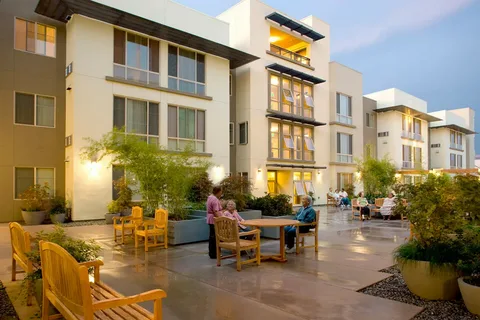
A 57,033-square-foot multi-family development with 62 units, addressing urban living demands sustainably.
Vineyard on Memorial
A massive 335,000-square-foot commercial space, showcasing large-scale retail prowess.
These underscore Rupe’s integrated approach, from conception to completion.
Future Horizons
By 2030, U.S. construction output may hit $2.1 trillion, with real estate seeing blockchain tokenization and AI-driven predictions. Tulsa’s affordability positions it for growth in infrastructure and e-commerce warehousing.
- Growth Sectors: Data centers expanding 10% annually; multifamily stabilizing at 3% rent growth.
- Innovations: Robotics and 3D printing transforming builds.
- Global Factors: Trade policies influencing sourcing.
Rupe is poised to lead, integrating tech and sustainability.
Conclusion
As commercial construction and real estate development advance in 2026, blending growth with innovation amid challenges, Rupe Companies in Tulsa emerges as a beacon of authority. Their proven portfolio, client dedication, and forward-thinking strategies set benchmarks. For those eyeing Tulsa’s market, Rupe offers unparalleled expertise.